
When a crisis hits, all of us deserve first responders to show up fast
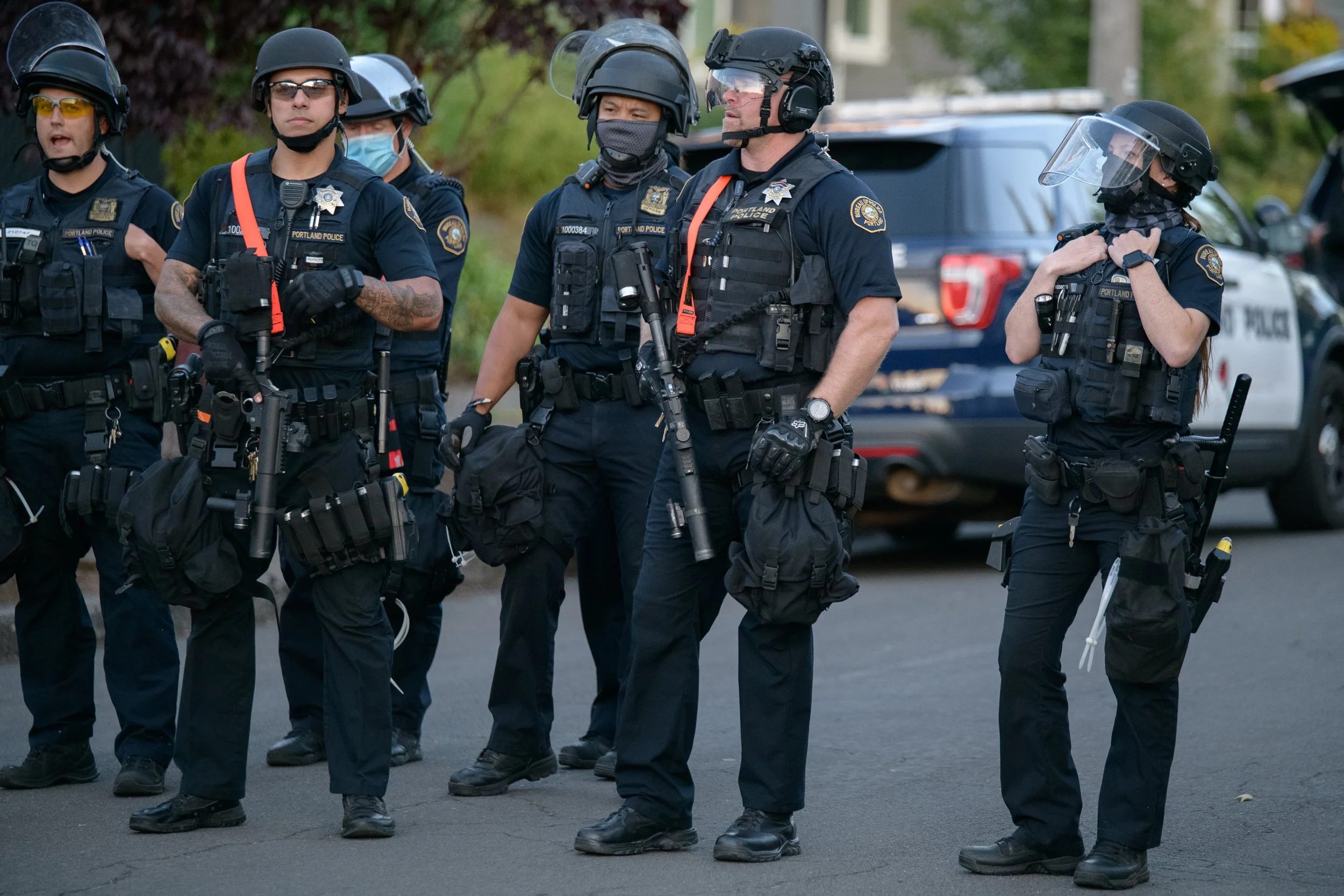
With stable staffing and fewer calls, Portland Police response times have skyrocketed since 2022.
We reviewed city data to find out why.
Since the pandemic, Portland Police response times have skyrocketed despite fewer calls and stable staffing. We dug into the city data to better understand why.
The city’s data suggest they have the staffing right now to dramatically improve staff times.
Crime rates have fallen, leading to fewer Portland police calls.
Portland Street Response and CHAT take more of the 911 mental and behavioral health crisis calls, so the police don’t have to respond.
Police staffing has been stable since 2022.
Why this matters
City data suggests the Police have the staff they need to reduce response times right now, yet the Portland Police Association is demanding that we spend millions more? It’s time for the City Auditor to evaluate police data and provide an objective report to voters. Email the auditor at: auditorsoffice@portlandoregon.gov
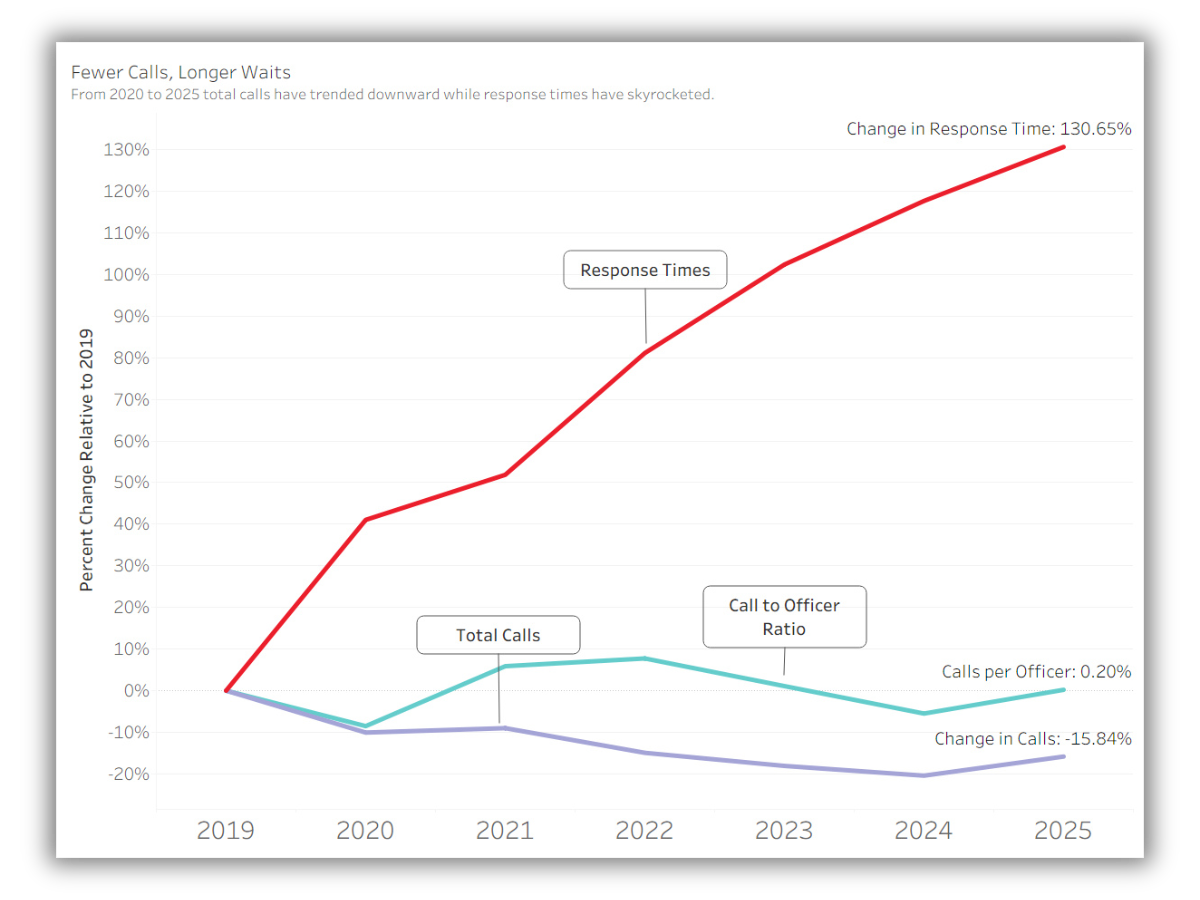
Overall police response time chart: This chart tracks response times for all police calls and per-officer calls since 2019. What it shows is that despite stable staffing and fewer calls, police response times continued to worsen significantly. Why is unclear.
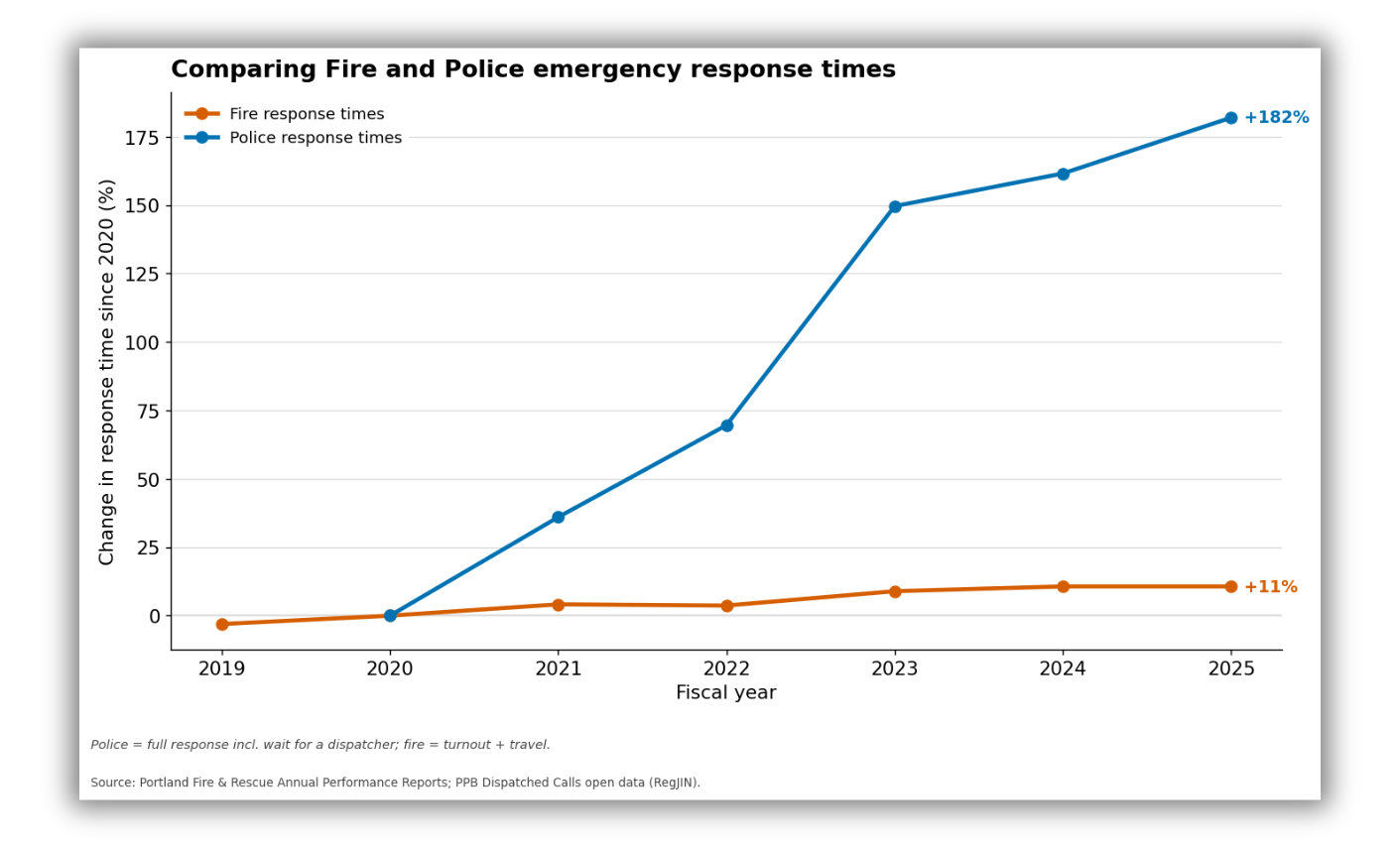
High-priority calls: It’s also important to understand how the police and fire departments compare when responding to high-priority calls. Both teams have had stable staffing since 2022. As you can see from the chart above, the fire department’s response times have worsened only slightly since 2019, while the police department’s have risen by 182 percent for high-priority calls since 2020. This means that in a crisis, the police will take much longer to get to the scene than the fire department would. Again, the police are receiving fewer calls, and their staffing levels have been stable since 2022.
About these numbers: Portland Fire and Rescue uses the national NFPA 1710 standard for reporting response times, while the Portland Police uses response time averages. The chart above uses the same statistical standard that Portland Fire & Rescue reports under, the national NFPA 1710 standard, so police and fire are compared like-for-like. The NFPA 1710 standard is based on the 90th-percentile times — the wait experienced by the slowest 1 in 10 calls — calculated from the city's own public dispatch data.
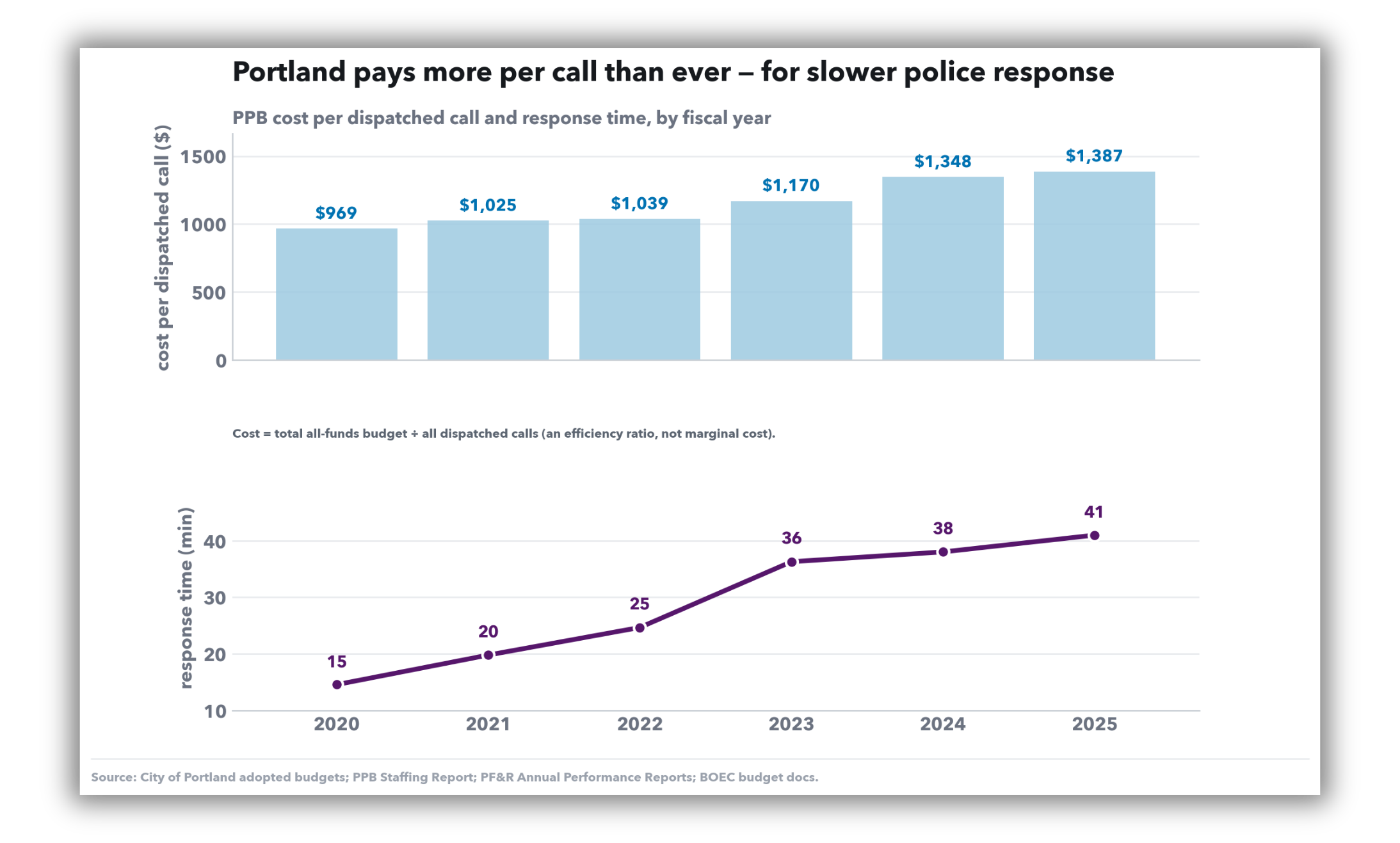
Cost per call: This chart shows that Portlanders are paying significantly more per police call as response times have slowed, according to city data. Portland Police costs per dispatched call have increased from $969 to $1,387 per call since 2020. During the same period, response times slowed from 15 to 41 minutes per call.
About these numbers: Response-time figures on this page are 90th-percentile times — the wait experienced by the slowest 1 in 10 calls — calculated from the city's own public dispatch data. This chart uses the national NFPA 1710 standard.
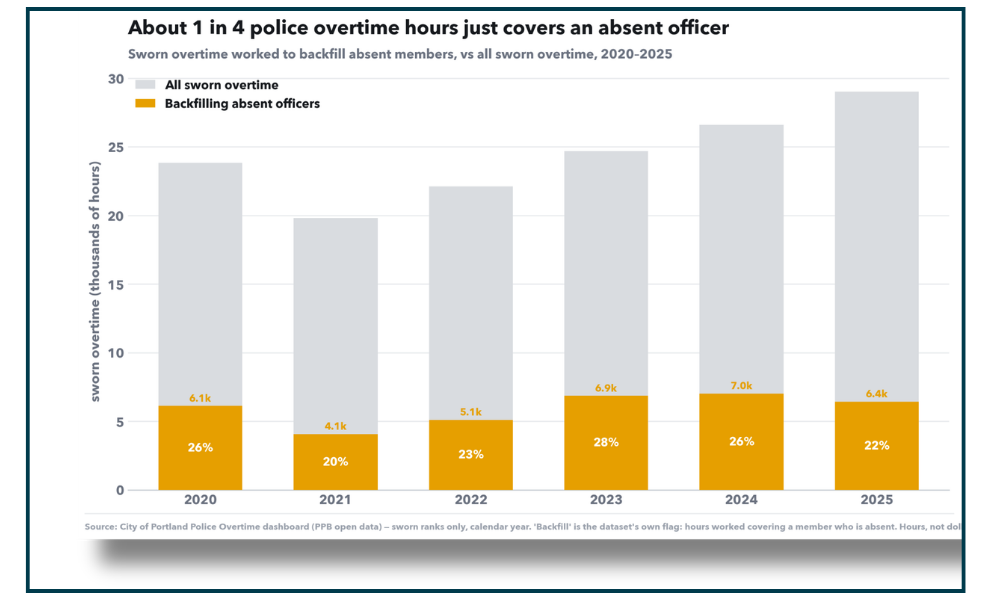
Police overtime, ‘backfill’ costs us millions annually: Portland Police tracks overtime hours needed to cover an absent officer’s shift. Above, the gray bars represent total overtime hours, while the orange sections are “backfill” overtime hours. For example, in 2025, the Police spent $17 million on overtime–more than $4 million was needed to “backfill” absent officers. By comparison, Portland Street Response's entire budget is $7.4 million.
The City just cut $171 million from its budget–we need our government to maximize every dollar. Additionally, while the Police doesn’t share absentee data on its public dashboard, its “backfill” overtime data suggests the bureau has a high percentage of officers absent on any given day.